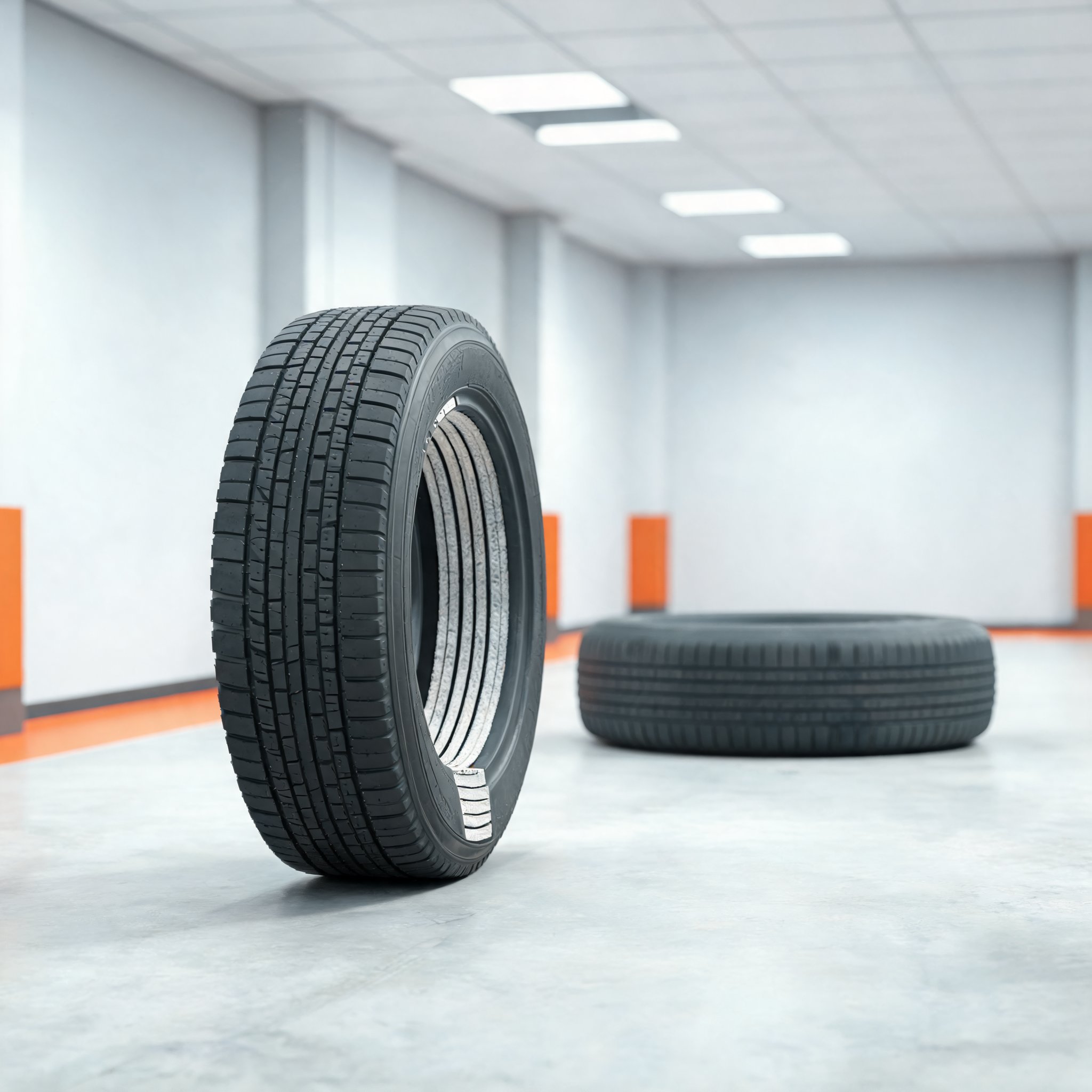
Yokohama Tire Corporation has notified the U.S. National Highway Traffic Safety Administration that it is voluntarily recalling 610 GEOLANDAR M/T G003 light truck tires. The action covers two sizes in that line: LT245/75R16 120/116Q and LT285/70R17 121/118Q.
According to the company, the affected tires were manufactured at Yokohama's Mie Plant in Japan between May 31 and June 6, 2026. Yokohama believes 610 tires from that production period may be involved. The notice identifies a limited set of sizes and a specific manufacturing window, rather than the entire GEOLANDAR M/T G003 line.
The recall was initiated in accordance with NHTSA regulations. Yokohama said the tires may have been produced with an improper compound in the sidewall. Reduced adhesion may cause carcass-ply separation, air leakage or rapid air loss, according to the notice.
If inflation pressure is lost, the company said vehicle control can be reduced and the risk of a crash can increase. These are potential safety consequences described in the recall notice, not a finding that every affected tire has failed.
Owners can contact Yokohama customer service at 1-800-722-9888 or [email protected] for questions or assistance. The company also directs customers to the owners' circle recall section of its website for further information about the recall.